Is Your Pet Ready for Rainy Spring Walks?


Is Your Pet Ready for Rainy Spring Walks?
As spring arrives in Bethel Park, pet owners are greeted by the familiar sight of blooming flowers, muddy sidewalks, and frequent rain showers. While these changes bring fresh energy to outdoor adventures, they also introduce unique challenges for dogs and cats. Wet paws, chilly breezes, and unpredictable weather can put a damper on your pet’s daily walks and even impact their health. At Family Vet Care Center, our team of experienced veterinarians understands how Pittsburgh’s rainy spring days affect pets and their owners alike. In this guide, we’ll explore how you can keep your furry friend safe, comfortable, and happy during wet weather walks, highlight seasonal risks to watch for, and discuss when it’s time to schedule an appointment with our veterinary professionals at 2402 Oxford Drive, Bethel Park, PA 15102. Whether you have a playful puppy, a curious kitten, or a senior companion, our goal is to help your pet thrive this spring and beyond.
Recognizing Springtime Challenges for Pets
Wet weather brings more than just muddy footprints into your home; it can create a range of health and comfort issues for pets. Some dogs may hesitate to go outside, while others dive enthusiastically into puddles, returning with soaked fur and muddy paws. Cats that venture outdoors may be reluctant to leave their dry spots, or they might get caught in sudden rain showers. Common signs that spring’s damp conditions are affecting your pet include shivering during walks, excessive licking of wet paws, red or irritated skin between the toes, and signs of respiratory discomfort such as sneezing or coughing after coming indoors. Pets with long, dense coats may develop mats or hotspots when moisture becomes trapped against the skin, and you might notice a musty odor if your dog’s fur remains damp for long periods. Additionally, mud and puddles can conceal hazards like sharp debris, road salt, or chemicals that may irritate sensitive paw pads. These warning signs are important indicators that your pet could use extra support and care during the rainy season.
Why Are Rainy Walks Riskier for Your Pet?
Rainy spring walks present a variety of risks that extend beyond simple discomfort. Wet and muddy environments increase the likelihood of slips and falls, especially for older pets or those with mobility issues. Moisture on the skin, particularly between the toes and under the belly, creates an ideal environment for bacteria and yeast to thrive, potentially leading to skin infections or hot spots. In addition, pets that wade through puddles or streams can pick up parasites, bacteria, or chemicals that may cause gastrointestinal upset or more serious health issues. The cool, damp air in early spring can also exacerbate arthritis pain or respiratory conditions, making walks less enjoyable and potentially harmful for pets with existing health concerns.
Another seasonal challenge is the abundance of allergens. Trees, grass, and mold release spores and pollen into the air, which can cling to damp fur and paws, triggering allergies in sensitive pets. Furthermore, rain can wash harmful substances such as antifreeze, fertilizers, and road salt onto sidewalks and grassy areas, increasing the risk of accidental ingestion or skin irritation. Recognizing these environmental factors allows you to take proactive steps to protect your pet during springtime outings.
How Family Vet Care Center Supports Your Pet During Wet Weather
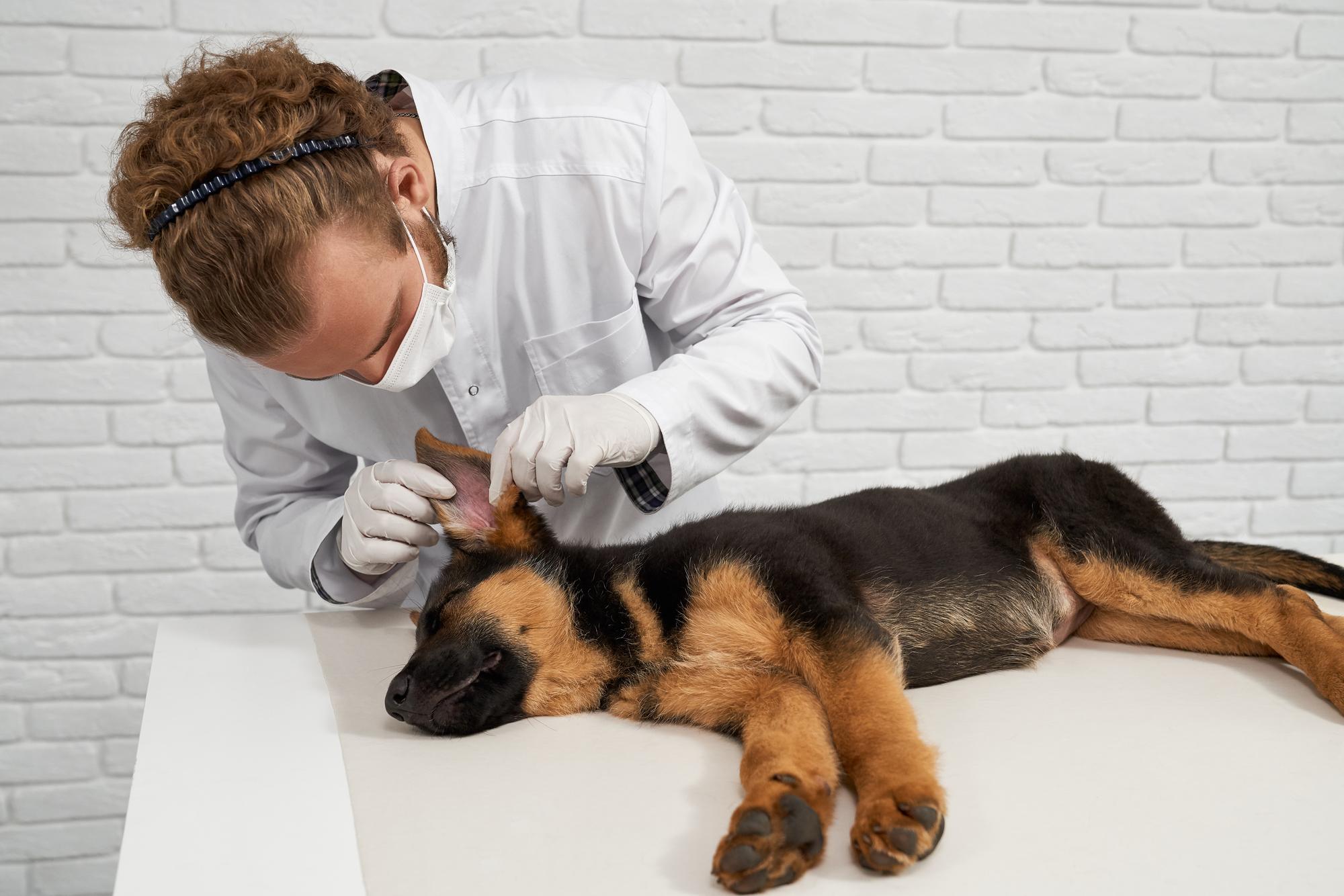
Our veterinary team at Family Vet Care Center is well-equipped to address the unique health challenges that arise during Pittsburgh’s rainy season. If your pet develops skin issues, such as redness, swelling, or persistent itching, we can provide thorough examinations and recommend treatments tailored to your pet’s needs. Treatment options for skin irritation may involve medicated shampoos, topical ointments, or oral medications to manage discomfort and accelerate healing. For respiratory symptoms, our veterinarians will assess your pet’s lungs and airways, recommend diagnostic testing if needed, and prescribe medications or supportive care to ensure a swift recovery.
For pets that experience increased stiffness or joint pain in cold, damp weather, our team can discuss strategies to manage arthritis and improve mobility. This might include pain relief medications, joint supplements, or physical therapy exercises that can be incorporated at home. If your puppy or kitten is new to outdoor walks, we offer comprehensive care for puppies and kittens to ensure they receive the right vaccinations and preventative care for the season. For adult and senior pets, regular wellness exams help detect early signs of seasonal allergies, arthritis, or other weather-related issues, allowing us to intervene before small problems become major concerns.
In cases where pets have come into contact with unknown substances or show signs of poisoning, such as vomiting, diarrhea, or sudden behavioral changes, our veterinary professionals are prepared to provide prompt care and support. We also offer guidance on safe grooming practices, paw care, and environmental management to keep your pet comfortable and healthy throughout the spring.
Tips for Keeping Your Pet Safe and Comfortable on Rainy Walks
Proactive home care can make a significant difference in your pet’s comfort and well-being during wet weather. Start by checking the forecast before heading out and choosing times when rain is lightest. Outfitting your dog with a well-fitted raincoat or waterproof harness can help shield their body from the elements, and some pets benefit from waterproof booties to protect their sensitive paw pads from mud, road salt, or sharp debris. After each walk, gently dry your pet’s fur with a clean towel, paying special attention to the paws, belly, and areas where moisture tends to collect. For cats that go outdoors, encourage them to return to dry shelter promptly if it starts to rain, and always dry them thoroughly when they come back inside.
Regular grooming is another important step; keeping your pet’s coat trimmed and brushed helps prevent mats and allows moisture to evaporate more quickly. Watch for signs of redness, swelling, or discharge between the toes, and rinse your pet’s paws with warm water if they come into contact with puddles or chemicals. Vacuum and clean entryways to minimize mud and allergens tracked indoors, and consider using washable rugs or mats to protect your floors. For pets with known allergies, wiping down their fur and paws after walks can reduce exposure to pollen and mold spores that accumulate during spring.
Providing a warm, dry resting area after outdoor excursions helps your pet recover from chilly walks and reduces the risk of hypothermia or respiratory discomfort. Monitor your pet’s behavior for signs of distress, such as reluctance to walk, increased licking or biting at the paws, or persistent scratching. These steps can help keep your pet comfortable and healthy even on the rainiest of spring days.
When to Schedule a Veterinary Appointment
While many springtime challenges can be managed at home, certain situations require prompt attention from your veterinarian. You should schedule an appointment if your dog or cat develops persistent skin irritation, redness, swelling, or hair loss that does not improve with home care. Additional reasons to seek veterinary support include repeated sneezing, coughing, or difficulty breathing after outdoor activity; signs of limping or joint pain that worsen in wet weather; or gastrointestinal symptoms such as vomiting or diarrhea after exposure to puddles or contaminated areas.
Puppies and kittens are especially vulnerable during their first spring walks, so it is important to ensure they are up to date on their vaccinations and receive routine wellness checks. Senior pets or those with chronic health conditions may benefit from a spring wellness examination to assess any changes in mobility, respiratory function, or skin health before seasonal issues arise. If you are ever uncertain about your pet’s symptoms or how to care for them during rainy weather, our veterinary professionals at Family Vet Care Center are here to provide guidance and reassurance.
Remember that early intervention often leads to better outcomes. If you notice sudden changes in your pet’s behavior, appetite, or appearance, contacting our clinic in Bethel Park can help you determine the best course of action for your pet’s health and comfort.
Keeping Your Pet Healthy All Season Long
Spring in Bethel Park brings new opportunities for adventure, but it also requires extra vigilance to keep pets safe during rainy walks. By recognizing common warning signs, understanding the risks of wet weather, and following proactive home care routines, you can help your pet enjoy the season with minimal discomfort. The veterinary team at Family Vet Care Center is dedicated to supporting you every step of the way, from routine wellness exams to specialized care for skin, joint, or respiratory issues. If you have questions about rainy day pet safety, need advice on grooming or paw care, or wish to schedule an appointment for your dog or cat, reach out to our compassionate professionals.
When searching for a veterinarian near me, look for a clinic that values your pet’s well-being as much as you do. At Family Vet Care Center, we provide personalized advice and medical support tailored to the seasonal needs of pets in Bethel Park and surrounding communities. To schedule your visit or ask questions about springtime pet health, call (412) 851-3707 today. Together, we can help your pet stay safe, healthy, and ready for every rainy day walk this spring.
Disclaimer: This article is intended for informational purposes only and does not replace individualized veterinary advice. Always consult your veterinarian if you have specific concerns about your pet’s health. For more educational resources on spring pet care, visit the American Veterinary Medical Association.